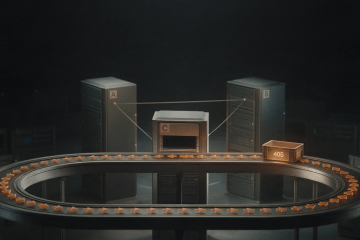
Most reviews stop at a product boundary or a team boundary. Mine do not. Depending on the question, the investigation moves through application source code and algorithms, data models, distributed processing engines, databases and messaging systems, Kubernetes and scheduling, networking, object and block storage, operating system and infrastructure configuration, server architecture, drive specifications, and the capacity plan or vendor quote behind the purchase.
That range matters because the answer is rarely where the alert is. A slow Spark stage can be a shuffle problem, a scheduler problem, a network path problem or a drive that never delivered its rated IOPS under this access pattern. Reviewing one layer at a time produces a partial diagnosis, a local optimization that moves the bottleneck somewhere else, or a capacity plan that buys hardware you did not need.
Working across the stack also ends the argument. When application, platform, infrastructure, operations and vendor teams each hold a plausible theory, an independent read that covers all five is the fastest way to a decision everyone can act on.